
Miketz & The Secret of the Son, Part 2: The Voice of Mother is the First Torah

וְלֹֽא־זָכַ֧ר שַֽׂר־הַמַּשְׁקִ֛ים אֶת־יוֹסֵ֖ף וַיִּשְׁכָּחֵֽהוּ׃ {פ}
Thus ends Parshat Wayeshev, with Yosef having seemingly been forgotten by the Chief CupBearer/Butler. As discussed in Part One of our Miketz Blog series, it was revealed how Rabbi Shimon bar Yochai elucidates that MiKetz delineates “the end of remembering” as indeed it seems Yosef was forgotten– until the Divine Appointed Time! Thus, Parshat Miketz begins:
וַיְהִ֕י מִקֵּ֖ץ שְׁנָתַ֣יִם יָמִ֑ים וּפַרְעֹ֣ה חֹלֵ֔ם וְהִנֵּ֖ה עֹמֵ֥ד עַל־הַיְאֹֽר׃
“At the end of two years…”
These 2 years represent two periods of Judgement: Dinim of Binah/Imma and Dinah of Malkhut/Nukvah. Rashbi clarifies MiKetz to be understood as “the boundary where Dinim are defined.” Just as every aspect of Creation is meticulously, miraculously, and marvelously arranged in a precarious and beautiful balance– just as the ocean knows its boundary and by the Creator’s hand, does not swallow up the entire Earth– so too do the Kedusha and Klippah know their designated realms of influence and delineations of time and space. Dinim– and vulnerability to klippah as one’s character is tested and refined through the processes of humbling– has a designated time and occurs in designated spaces and are enacted or enforced through designated/appointed circumstances and people. The 2 year period “at the end of remembrance” where Yosef was forgotten is a period designated for an Upper Judgement and a Lower Judgement– one year for the Judgement of Binah/Imma and one year for the Judgement of Malkhut/Nukvah. Miketzz is this point where both Dinim are ONE (Echad) and culminated to completion. It is at the end of these 2 years he is remembered and re-meber-ed (to borrow from Toni Morrison’s concept of re-memory unique to Melanated Children of the Diaspora). It is at the end of these two years Yosef ascends out of prison and subsequently appointed to a station and status above even Pharoah!! He does not escape Egypt… Egypt can no longer contain him.
As we continue the analytical appreciation of this Parasha, it is important to first admire the intriguing connections made in the Chok Le’Yisrael. The Chok Le’Yisrael is more than a method of study: it is literally a modality by which we prepare the 4 levels of our soul for Shabbat through the portions we read throughout the 6 mundane days. Arranged and invented by Ari HaKadosh, Chok Le’Yisrael is truly a divine alignment of corresponding texts; indeed, a holistic and mystical approach integrating the Torah portions, inextricably entwining them with sections from the Prophets (Nevi’im), Writings (Ketuvim), Mishnah, Gemara, and Zohar.
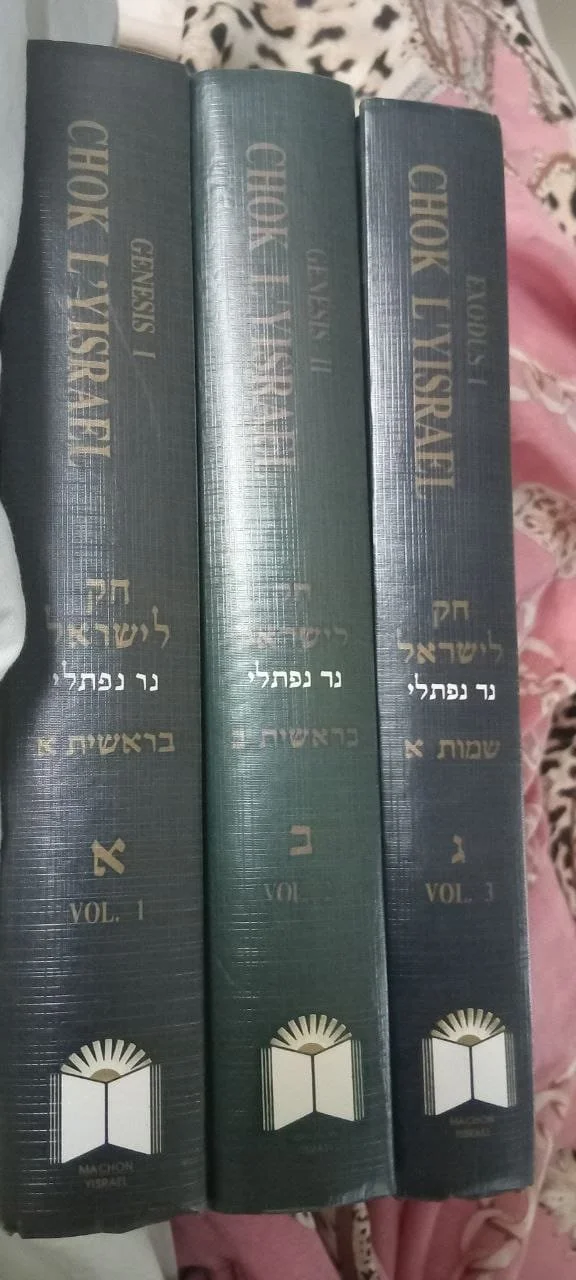
Each day of the week focuses on elevating a different level of the soul: thereby making direct correspondence and resonance between the 4 Levels of the Soul (Nefesh, Ruach, Neshama, Chaya) and the 4 levels of Torah interpretation (PaRDeS: Pshat, Remez, Drash, Sod), as well as gaining accesses, in ascending order, to the 4 Olamot, as we come closer to Shabbat (Assiyah, Yetzirah, Beriyah, Atzilut) and the rectification through unification of the Tentragrammaton (YHWH). With consistency, implementation, integration, and engagement in this study practice, one’s mohin (ChaBaD: Chokmanh, Binah, Daat- consciousness) becomes illuminated by Ohr Ain Sof, bringing clarity and harmonisation. We must always remember, too, that everywhere we see four, we know there’s really five: the hidden Fifth Element, for Those Who Know.
Reading from the Chok Le’Yisrael of Parshat Miketz, we see immediately the connection between Yosef’s interpretation of Pharoah’s dream and Shlomo HaMelech (King Solomon) awakening from his dream in 1 Kings 3. Again, the Zohar clarifies that “dreams come from the side of Nukvah”: the hidden, feminine dimension of the dark waters of the fluid and abstract subconscious, the feminine gift of discerning the Unseen that is deep down within and below the surface, like the true soul behind the mask of personality and ascribed titles and status. Dreams therefore represent the divine theatre where subconscious desires play out in revealed truth and unseen truths are excavated like treasures that just almost slip through one’s fingers, like the tiny dancing glints of light one perceives even at the black bottom of the sea (Chosheck).
Having awakened from his dream, King Solomon goes directly to sanctify the temple before the Ark of the Covenant and immediately thereafter, sits in the seat of Judgement where he is approached by two prostitutes (Nashim Zonot) who inquire his wisdom concerning the true identity of a son.

Here is revealed the duality of the Nashim Zonot as Two Faces (and Facets) of an embodied spectrum of femininity, representing seemingly contrasting aspects of womanhood and motherhood. Solomon’s journey begins with his marriage to Bat Pharoah, the identity of this woman juxtaposed directly with the identity of his mother Bat Sheba (Bathsheba) who, in wisdom, castigates him and teaches him discernment famously reiterated in Solomon’s writing of the Song of Songs, Shir HaShirim and the famous Ode to Eyshet Chayil, Proverbs 31, a tribute to the nobility of his mother and the cherishing of her wisdom:
מַה־בְּ֭רִי וּמַֽה־בַּר־בִּטְנִ֑י וּ֝מֶ֗ה בַּר־נְדָרָֽי׃
אַל־תִּתֵּ֣ן לַנָּשִׁ֣ים חֵילֶ֑ךָ וּ֝דְרָכֶ֗יךָ לַֽמְח֥וֹת מְלָכִֽין׃
The two prostitutes– and likewise the juxtaposition of Bat Pharoah and Bat Sheva– represents the balance between the holy and the profane, between the external and internal feminine energies. This connection between the first verses of MiKetz and the first verses of 1 Kings 3 are all about the secret of the son, and the wisdom passed from mother to son. Incredibly, the Chok Le’Yisrael moves directly from this excerpt from Nevi’im to Ketuvi’im: specifically Mishle, in which we understand King Solomon lovingly attributes his wisdom to the teachings of his mother Bat Sheva (Daughter of Seven, House of Seven, representing Malkhut/Nukvah and, even, our Sages affirm, Bathsheba herself a gilgul reincarnation of Lilith, the Black Mother, the Dark Face of the Moon, Levanah).
הֲלֹֽא־חׇכְמָ֥ה תִקְרָ֑א וּ֝תְבוּנָ֗ה תִּתֵּ֥ן קוֹלָֽהּ׃
“Wisdom calls, raising HER voice… “(Mishle/Proverbs 8:1)
שְׁמַ֣ע בְּ֭נִי מוּסַ֣ר אָבִ֑יךָ וְאַל־תִּ֝טֹּ֗שׁ תּוֹרַ֥ת אִמֶּֽךָ׃
Literally translated as: Shema (Hear/Heed), My Son, the Mussar (discipline) of your Father; and forsake not the Torah of your Mother. Here, in Mishle/Proverbs 1:8, the “discipline” (Mussar) of the father represents moral refinement and character building, while the “Torah” of the mother embodies nurturing wisdom and intuitive teaching. Binah, the partzuf Imma (Mother) is the sefira associated with Understanding & Intelligence:

From the Kitvei Ari, in the very first pages of Shaar Ma’amrei Razal, Masechet Brachot, and requoted in Shaʿar HaHakdamot, Derush Partzufei Rachel, in the chapter corresponding to Bereshit 2:22, we see an intriguing passage:
פ"ה דכ"ה ע"ב וז"ל א"ר חסדא מ"ט דר' דכתיב ויבן ה' אלהי' את הצלע מלמ' שנתן הקב"ה בינ' יתיר' באשה יותר מבאיש כו' כבר הודעתיך איך מן החזה של ז"א יוצאי' ב' פרצ' יעקב דרך פני' ורחל דרך אחו' ויעקב נעש' מבחי' נה"י דאבא המתלבשי' בז"א ואינו לוקח מן החסדי' דאי' כלל אמנם רחל נעש' מנה"י דאי' המתלבשי' בז"א והנה מן התפשעו' המוחין דאי' בנצח הוד שלה אשר בתוך נו"ה
Rabbi Ḥisda said: What is the reason… it is written, “And YHWH Elohim built the rib” (Gen. 2:22)?…..
…..this teaches us that to women is given extra understanding (binah yeterah) more than to the man, etc. (שֶׁנָּתַן הַקָּבָ"ה בִּינָה יְתֵירָה בָּאִשָּׁה יוֹתֵר מִבָּאִישׁ כו׳)
Indeed, we find in Mishna Peah, that even Chokmah (Wisdom), which is commonly associated as the masculine partzuf Abba, has its own feminine dimension, of which I will elucidate further in the next part of this series….
To Be Continued….
